Healthy living doesn’t require a strict diet or complicated meal plans. Often, small changes in your daily eating habits can make a big difference in your energy levels, weight management, digestion, and overall well-being. If you’re looking to improve your health naturally, start by replacing these common unhealthy habits with better alternatives.
1. Skipping Breakfast
Many people skip breakfast due to busy schedules, but missing your first meal can leave you feeling tired and lead to overeating later in the day.

What to do instead:
Choose a balanced breakfast with protein, fiber, and healthy fats. Options like oatmeal with nuts, Greek yogurt with berries, or eggs with whole-grain toast can keep you satisfied for longer.
2. Eating Too Fast
When you eat quickly, your brain doesn’t have enough time to recognize that you’re full. This often results in overeating and digestive discomfort.

What to do instead:
Slow down, chew your food thoroughly, and enjoy each bite. Mindful eating can improve digestion and help with portion control.
3. Drinking Sugary Beverages
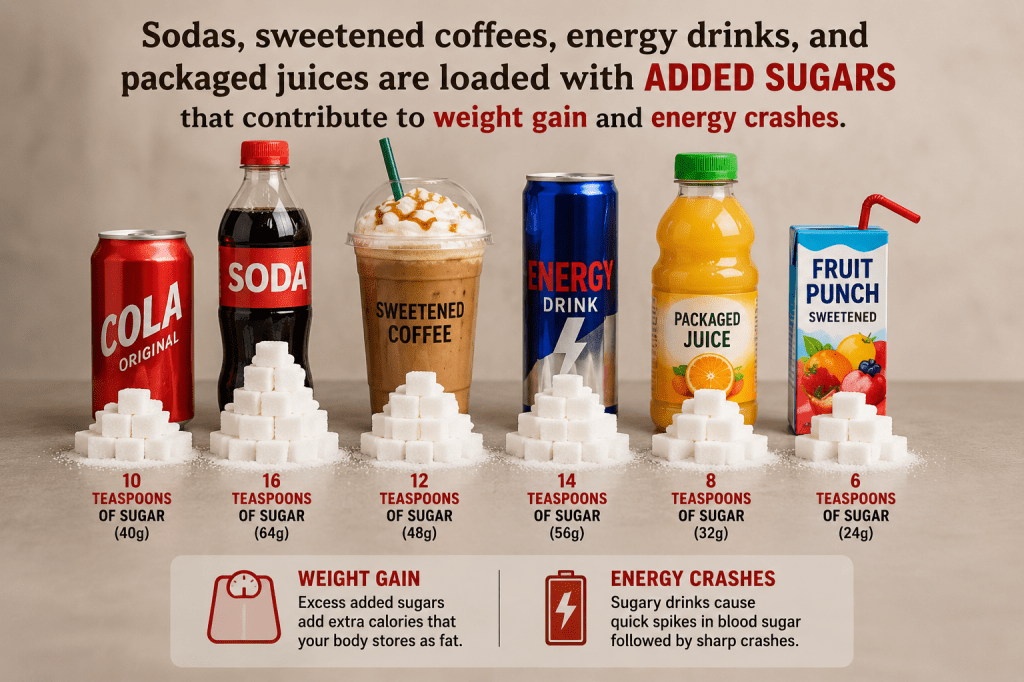
Sodas, sweetened coffees, energy drinks, and packaged juices are loaded with added sugars that contribute to weight gain and energy crashes.
What to do instead:
Replace sugary drinks with water, herbal tea, sparkling water, or naturally flavored water with lemon and cucumber.

4. Not Eating Enough Fruits and Vegetables
Fruits and vegetables provide essential vitamins, minerals, antioxidants, and fiber that support overall health.

What to do instead:
Aim to fill at least half your plate with colorful fruits and vegetables at every meal.
5. Constant Snacking on Processed Foods
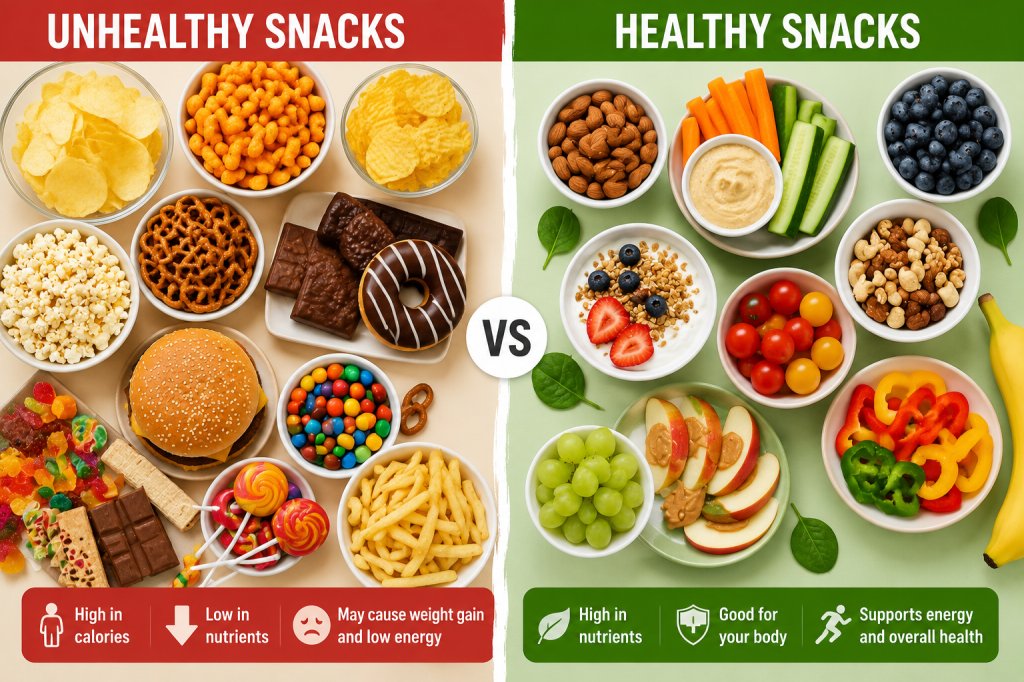
Chips, cookies, candy, and other processed snacks are often high in calories but low in nutrients.
What to do instead:
Keep healthy snacks on hand, such as fresh fruit, nuts, yogurt, hummus, or sliced vegetables.
6. Ignoring Portion Sizes
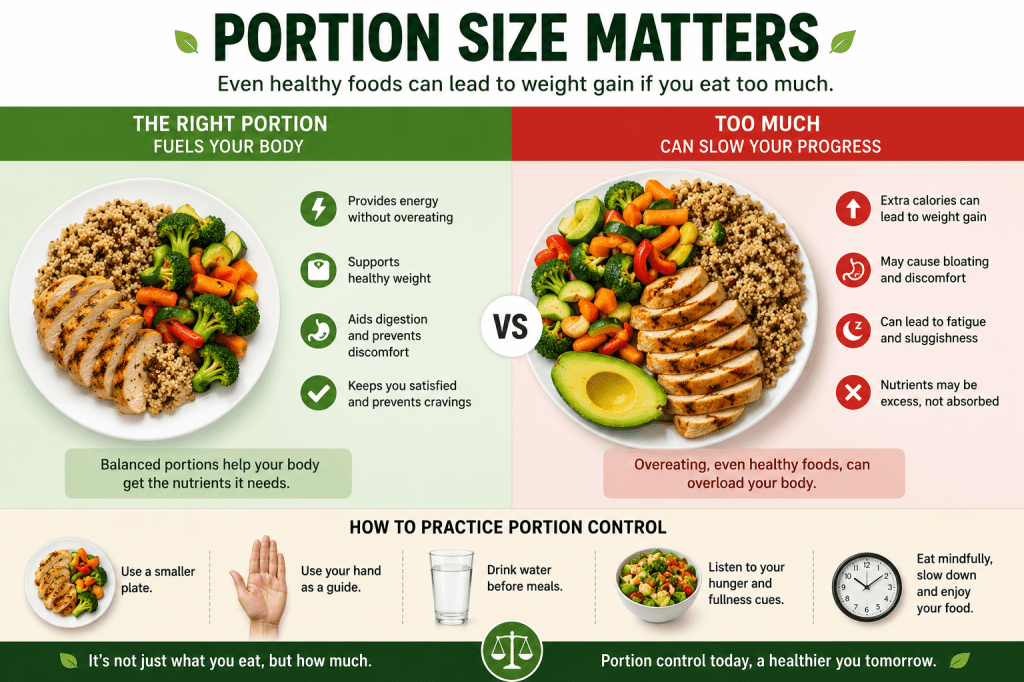
Even healthy foods can contribute to weight gain when eaten in excessive amounts.
What to do instead:
Use smaller plates, read serving sizes, and pay attention to hunger and fullness cues.
7. Eating Late at Night
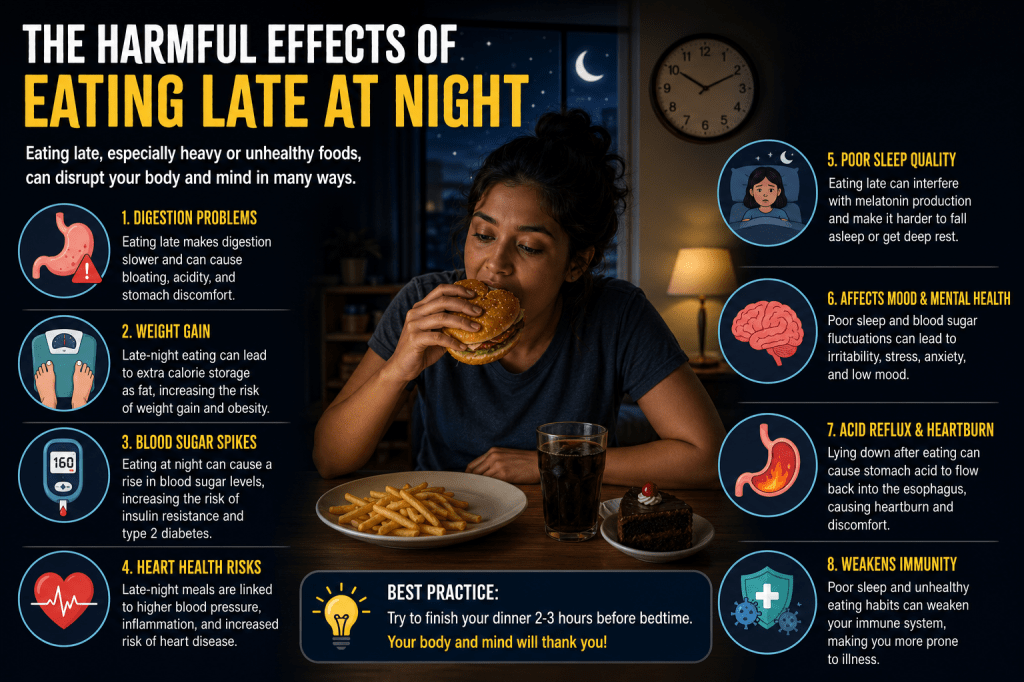
Late-night eating can interfere with digestion and may contribute to poor sleep quality.
What to do instead:
Try to finish your last meal at least 2–3 hours before bedtime and choose lighter evening meals when possible.
Final Thoughts
Improving your health doesn’t happen overnight. By making small changes to these everyday eating habits, you can create a healthier lifestyle that feels sustainable and enjoyable. Start with one habit at a time, stay consistent, and celebrate your progress along the way. Your future self will thank you.
 Creative with fashion,lifestyle,beauty and digital products
Leave a comment